Comparing Powerline Networking and WiFi Mesh Systems
As we navigate the landscape of home networking in 2026, understanding the nuances between powerline networking and WiFi mesh systems becomes increasingly essential. With the rise of smart homes and the demand for seamless connectivity, choosing the right networking solution can significantly impact your digital experience. This article delves deep into the mechanics, advantages, and potential drawbacks of both technologies, ensuring you can make an informed decision for your connectivity needs.
Understanding Powerline Networking
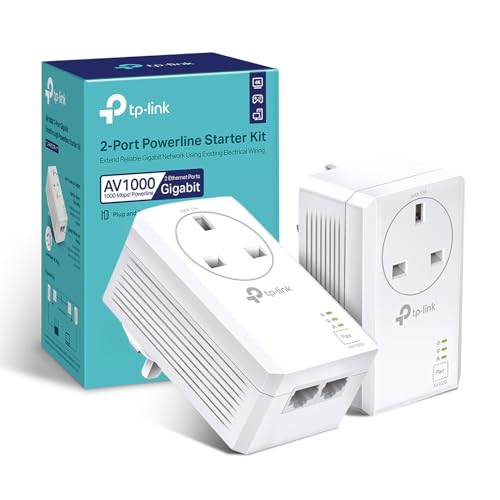
Powerline networking utilizes existing electrical wiring to transmit data, allowing users to extend their internet connection throughout their home without the need for extensive rewiring. This technology has gained traction in homes where WiFi signals struggle to reach certain areas. In 2026, advancements in powerline adapters have led to improved data transfer rates and reliability.
How Powerline Adapters Work
Powerline adapters function by converting data signals into electrical signals that travel through the power lines. Users typically plug one adapter into a power outlet near their router and connect it via Ethernet. A second adapter can be plugged into another room, allowing devices to connect to the internet. This straightforward setup makes powerline networking an appealing choice for non-technical users.
Advantages of Powerline Networking
- Stable Connection: Powerline networks provide a more stable connection compared to traditional WiFi, especially in homes with thick walls or multiple floors.
- Easy Setup: The plug-and-play nature of powerline adapters means users can quickly set up their network without extensive technical knowledge.
- Reduced Interference: Since powerline networks use wired connections, they are less susceptible to interference from other electronic devices.
Limitations of Powerline Networking
Despite its advantages, powerline networking does come with limitations. The performance can vary depending on the quality of the electrical wiring in the home. Older homes may experience reduced speeds and connectivity issues, making it essential to assess your wiring before committing to this solution. Additionally, powerline networking does not extend beyond the electrical circuit, which can be a drawback for larger properties.
People Also Look For:
- BT Mini Wi-Fi Home Hotspot 600 Kit with wired AV600 Powerline and N150 Wi-Fi
- TP-LINK TPLINK PowerLAN PowerLAN PG2400P KIT (PG2400P KIT)
- TP-Link Deco PX50 (3-Pack) AX3000 Whole Home Powerline Mesh WiFi 6 System
- NETGEAR PLP1000-100UKS 1 Port 1000 Mbps 1 Gigabit Port Powerline Adapter with Extra Outlet (Pack of 2)
- Mercursys MP300P KIT AV600 Powerline Adapter Starter KIT, Powerline Network Adapters with Extra Power Scoket,TP-Link Power Saving ...
Exploring WiFi Mesh Systems
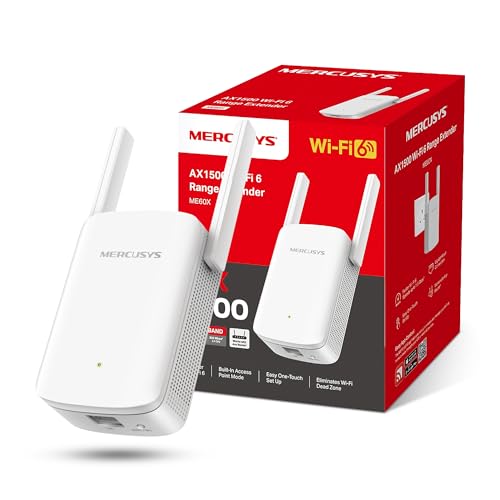
WiFi mesh systems have emerged as a popular alternative for creating comprehensive wireless networks. In 2026, these systems consist of multiple nodes that work together to provide seamless coverage throughout a designated area. As homes become larger and more complex, the need for robust WiFi solutions has never been more critical.
How WiFi Mesh Systems Operate
Unlike traditional routers that rely on a single point of connection, WiFi mesh systems utilize multiple access points that communicate with each other. This configuration allows users to place nodes strategically throughout their home, ensuring consistent signal strength and minimizing dead zones. The mesh system automatically routes data through the most efficient node, adapting to the user's needs in real time.
Benefits of WiFi Mesh Systems
- Wide Coverage: WiFi mesh systems excel in providing extensive coverage, making them ideal for larger homes or spaces with challenging layouts.
- Scalability: Users can easily add more nodes to their mesh network as needed, allowing for flexible expansion.
- User-Friendly Management: Many mesh systems come equipped with user-friendly apps that allow for easy management and monitoring of devices.
Challenges of WiFi Mesh Systems
While WiFi mesh systems are highly effective, they are not without their challenges. The initial investment can be higher compared to powerline networking solutions. Additionally, the performance of a mesh system can be affected by environmental factors, such as obstacles and interference from other wireless devices. Users should also consider that not all mesh systems support the latest WiFi standards, which may hinder performance in high-demand scenarios.
Comparing Performance and Use Cases
When deciding between powerline networking and WiFi mesh systems in 2026, it is crucial to examine your specific needs. For users in smaller homes or apartments, powerline networking may provide sufficient coverage and a reliable connection without the complexity of a mesh system. Conversely, larger homes or those with multiple floors may benefit significantly from the expansive coverage offered by a mesh network.
Real World Scenarios
Consider a family living in a two-story house. The ground floor is equipped with a home office and gaming room, while the upstairs includes bedrooms and a playroom. In this scenario, a WiFi mesh system would effectively eliminate dead zones, providing seamless connectivity for work and play. On the other hand, a small apartment with minimal physical barriers might find that a powerline adapter meets its connectivity needs without the additional expense of a mesh network.
Cost Considerations and Future Trends
Cost is an essential factor when evaluating these two networking solutions. Powerline adapters are typically less expensive upfront, making them an attractive option for budget-conscious consumers. However, as technology progresses, the price of WiFi mesh systems has become more competitive, allowing consumers to weigh the long-term benefits against initial costs.
Future Developments in Networking
As we look ahead, advancements in both powerline and mesh technologies are expected. Manufacturers are focusing on enhancing data transfer speeds, security features, and user experiences. In 2026, it is anticipated that homes will increasingly rely on integrated systems that combine both powerline and mesh technologies to optimize connectivity throughout the entire living space.
Recommendations for Users
- Assess your home layout and size before selecting a networking solution.
- Consider the devices you plan to connect and their data requirements.
- Stay informed about the latest advancements in networking technologies.
In 2026, users will have more options than ever to ensure seamless connectivity throughout their homes. Understanding the strengths and weaknesses of powerline networking and WiFi mesh systems can empower consumers to make informed choices tailored to their specific needs. As technology continues to evolve, staying updated on emerging trends will be vital in optimizing home networking solutions.