Impact of Smart Devices on Home Network in 2026
As we progress into 2026, the integration of smart devices into our daily lives has become not just a trend but a necessity. Homes are now equipped with an array of interconnected devices, each contributing to a smart ecosystem that enhances convenience, efficiency, and security. However, this surge in smart technology also poses challenges to home networks. Understanding the impact of these devices on our home networks is crucial for optimizing performance and ensuring security.
Understanding Smart Devices and Their Connectivity
Smart devices encompass a wide range of products, including smart speakers, security cameras, thermostats, and appliances. These devices rely on a stable internet connection to function effectively. In 2026, the proliferation of Internet of Things technology means that households may have dozens of smart devices connected simultaneously. This increased connectivity can strain home networks, leading to potential performance issues.
Smart devices communicate with each other and with cloud services using various protocols such as Wi-Fi, Zigbee, and Bluetooth. As technology evolves, it is essential to choose devices that are compatible and utilize efficient communication standards. Homeowners must be informed about the specific requirements of each device to ensure optimal performance.
Network Bandwidth Considerations
In 2026, bandwidth is a critical factor in maintaining a seamless smart home experience. Every smart device consumes a portion of the available bandwidth, and as more devices connect to the network, the demand increases. High-definition video streaming, online gaming, and large file downloads can further exacerbate bandwidth limitations.
To manage bandwidth effectively, homeowners can prioritize devices through their router settings. Quality of Service features allow users to allocate bandwidth to specific devices, ensuring that essential functions are not disrupted. For instance, if a family member is streaming a movie while another is working from home, prioritizing the work device can enhance productivity.
People Also Look For:
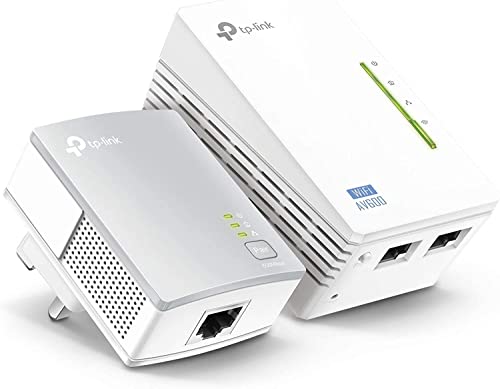
- TP-LINK TPLINK PowerLAN PowerLAN PG2400P KIT (PG2400P KIT)
- BT Broadband Extender Powerline Adapter 600 Kit, wired AV600
- devolo Next Magic 2 WiFi Extension Adapter, Powerline WLAN Adapter - Up to 2400 Mbps, dLAN 2.0, White
- TP-Link TL-WPA4220 TKIT 2-Port Powerline Adapter Starter Kit, WiFi Extender Booster Trasfer Speeds up to 600Mbps, 2x Ethernet Port...
- TP-Link TL-WPA4220KIT 2-Port Powerline Adapter WiFi Starter Kit, Range Extender, Broadband/WiFi Extender, WiFi Booster/Hotspot, No...
Security Challenges of Connected Devices
As the number of smart devices increases, so do security vulnerabilities. In 2026, cyber threats targeting smart homes are more prevalent than ever. Many smart devices have been found to have weak security protocols, making them susceptible to hacking. This risk extends beyond the individual device; an insecure device can compromise the entire home network.
Homeowners must take proactive steps to secure their networks. This includes regularly updating device firmware, using strong and unique passwords, and employing a separate network for smart devices. By creating a guest network, homeowners can isolate smart devices from more sensitive information stored on personal computers and smartphones.
Enhancing Home Network Performance
In 2026, enhancing home network performance goes beyond simply upgrading internet plans. Homeowners can implement several strategies to optimize their networks for smart devices. Mesh network systems have become increasingly popular as they provide seamless coverage throughout large homes, eliminating dead zones where connectivity can falter.
Additionally, strategically placing routers and access points can significantly improve signal strength. Placing devices in central locations and away from physical obstructions can enhance connectivity. Homeowners should also consider the placement of smart devices themselves. For instance, a smart speaker placed in a corner may struggle to communicate with other devices effectively.
Monitoring Network Traffic
Monitoring network traffic is another vital aspect of managing a smart home ecosystem in 2026. Homeowners can utilize network monitoring tools to track device performance and bandwidth usage. These tools provide insights into which devices consume the most bandwidth and identify any potential issues.
For example, if a smart camera is constantly using high amounts of bandwidth, it could indicate a problem with its settings or a need for firmware updates. By keeping an eye on network traffic, homeowners can address issues proactively, ensuring that their smart devices operate efficiently.
The Future of Smart Devices and Home Networks
Looking forward, the evolution of smart devices will continue to shape home networks in ways we are just beginning to understand. In 2026, advancements in artificial intelligence and machine learning will lead to smarter devices that can learn user preferences and adapt accordingly. This development will require even more robust network infrastructures capable of handling increased data loads and complex interactions.
As technology advances, the integration of smart devices into everyday life will become even more seamless. Homeowners will need to stay informed about emerging technologies and trends to ensure their networks are equipped to handle the demands of new devices. Preparation for the future will not only enhance the smart home experience but also safeguard against potential vulnerabilities that come with increased connectivity.