Unique Networking Ideas for Kids in 2026
As we navigate through 2026, the landscape of networking for kids has evolved dramatically. In this digital age, it is essential to equip children with the skills and opportunities to connect with peers and mentors alike. Networking goes beyond mere socializing; it fosters collaboration, creativity, and a sense of community. This article presents a variety of unique networking ideas tailored for children, ensuring they develop both socially and professionally while having fun.
Interactive Workshops and Skill Sharing
One of the most effective ways to encourage networking among kids is through interactive workshops. In 2026, these workshops can cover a range of topics from coding to art, enabling children to learn from each other. By bringing kids together in an engaging environment, they not only acquire new skills but also build connections with their peers who share similar interests.
Consider organizing a workshop where children can showcase their talents. For instance, a coding workshop could include sessions where children demonstrate their projects. This not only allows them to network but also inspires their peers. Organizers can facilitate discussions and encourage collaboration on projects, enhancing the learning experience.
Creating Interest-Based Groups
In 2026, creating interest-based groups is another innovative networking idea. These groups can be centered around hobbies or academic subjects, allowing children to connect with like-minded peers. Utilizing platforms specifically designed for kids, parents can help their children find groups that match their interests, whether it's robotics, painting, or creative writing.
- Robotics Club: Kids can work on projects together, fostering teamwork.
- Art Collective: This group can host exhibitions of their artwork and collaborate on pieces.
- Book Club: Children can read and discuss books, enhancing their critical thinking and communication skills.
Such groups not only provide networking opportunities but also create a sense of belonging among participants, which is crucial for their emotional and social development.
People Also Look For:
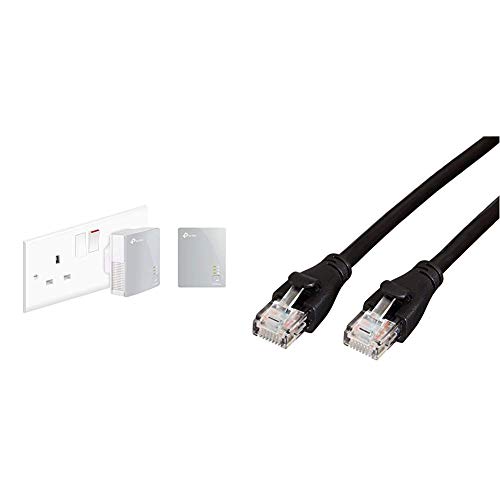
- TP-Link TL-PA717 KIT 1-Port Gigabit Powerline Adapter Starter Kit, Speed Up to 1000 Mbps, WiFi Extender Ideal for HD/3D/4K Video S...
- TP-Link TL-WPA7517 KIT AV1000 Gigabit Powerline Wi-Fi Kit, AC1200 Dual Band Powerline Network Adapters, OneMesh, Supported Gigabit...
- TP-Link TL-WPA4220 TKIT 2-Port Powerline Adapter Starter Kit, WiFi Extender Booster Trasfer Speeds up to 600Mbps, 2x Ethernet Port...
- British Telecom BT Powerline Adapters 1000 MBps 1GB Set of 2 Plugs Gigabit Networking Ethernet, White
- TP-Link TL-WPA4220 2-Port Add-On Powerline Adapter, Range Extender, Broadband/WiFi Extender, WiFi Booster/Hotspot & Amazon Basics ...
Virtual Networking Platforms
As technology continues to influence how we connect, virtual networking platforms have gained popularity in 2026. These platforms are designed to be safe and engaging for children, allowing them to network without geographical limitations. Parents should ensure that these platforms prioritize safety and privacy, creating a secure environment for their children.
For instance, virtual meetups can be organized where kids from different parts of the world come together to discuss topics of mutual interest. Such gatherings can include guest speakers, interactive sessions, and collaborative projects. This not only broadens their horizons but also helps them develop communication skills in a virtual setting.
Gamified Networking Experiences
In 2026, gamification in networking has become a powerful tool to engage children. By incorporating game elements into networking activities, kids are more likely to participate and enjoy the process. For example, organizing a scavenger hunt that involves tasks requiring teamwork and communication can be both fun and educational.
Children can be divided into teams, and each team must complete challenges that involve meeting other participants, exchanging information, or collaborating on creative tasks. This format encourages networking in a relaxed and enjoyable way, allowing kids to forge connections while having fun.
Community Service Projects
Engaging in community service projects is another unique networking idea for kids in 2026. Through volunteering, children not only contribute positively to their communities but also form bonds with other young volunteers. These shared experiences often lead to lasting friendships and professional connections in the future.
Local organizations often seek the help of young volunteers for various initiatives, such as environmental clean-ups or fundraising events. Parents can encourage their children to participate in these projects, emphasizing the importance of teamwork and social responsibility. Networking during such events can be organic, as kids work side by side towards a common goal.
Mentorship Programs
In 2026, mentorship programs specifically designed for children have become increasingly popular. Pairing kids with mentors who share similar interests or career aspirations can provide invaluable networking opportunities. These relationships can lead to guidance, support, and potential collaborations in the future.
Parents and educators can help facilitate these connections by reaching out to local professionals willing to mentor children. Regular meetups can be organized where kids can learn from their mentors, ask questions, and even work on projects together. This not only enhances their skills but also expands their network in a meaningful way.
Creative Networking Events
Hosting creative networking events tailored for kids in 2026 can significantly enhance their social skills. Events such as talent shows, art fairs, or science fairs allow kids to showcase their talents while connecting with others. These events can be organized at schools, community centers, or even online.
During these events, children can meet peers who share their interests, leading to potential collaborations on future projects. Parents and educators can assist by providing feedback and facilitating introductions, ensuring that kids feel comfortable networking.